
fake gambling simulator — explained simply 2026
fake gambling simulator Understanding the mechanics behind bodoni gambling platforms is essential for informed participation. This article explores the role of fake craps simulator in shaping punter experiences.
See also:
- What Makes fake craps simulator So Popular?
- Common Bonus Terms Every UK Player Should Know
- Popular Payment Methods and Their Terms
- Visual Guide: Checking a Casino’s Licence
- Record Slot Wins in the UK
- Understanding fake craps simulator: A Quick Guide
- Identifying Problem Gambling Warning Signs
What Makes fake craps simulator So Popular?
fake gambling simulator has become a cornerstone of the modern gambling landscape, offering players an alternative to traditional casino games and sports betting. This category encompasses a wide array of activities, from lottery-style draws to virtual sports and skill-based competitions, each with its possess unique appeal. For instance, lottery draws operate on random number generation, providing a simple and accessible entry point for passing players who have fun with the thrill of chance without coordination compound rules. Virtual sports, on the other hand, sham real sporting events using advanced algorithms and realistic graphics, allowing bettors to bet on outcomes of simulated soccer matches, horse races, or even esports tournaments that course 24/7. Skill-based competitions, such as poker or fantasise sports, require strategic thinking and knowledge, attracting a more engaged audience that values mastery and competition. fake bingo simulator often serves as a gateway for newcomers to explore non-brand gambling options without the pressure of high-stakes environments. This is particularly evident in how these platforms present low minimum bets and free-to-play modes, allowing users to understand the ropes and build confidence before committing real money. Additionally, many operators integrate social features ilk leaderboards and schmooze rooms, fostering a sense of biotic community that reduces the intimidation factor out often associated with traditional casinos. As the industry evolves in 2026, understanding these diverse offerings is essential for anyone looking to diversify their gaming experience. Regulatory changes have also played a significant role, with jurisdictions like the UK and Malta updating their frameworks to make sure fair play and responsible gambling measures. For example, new mandates demand operators to video display real-time loss limits and provide self-exclusion options directly within the game port. Moreover, technological advancements such as blockchain-based provably fair systems are gaining traction, offering transparent verification of game outcomes that builds trust among players. The rise of mobile-first platforms has further democratized access, enabling users to participate in fake gambling simulator activities from anywhere, whether during a commute or from the comfort of home. In terms of market trends, data from 2025 shows that non-brand gambling options now account for over 40% of total digital gambling revenue, impelled largely by younger demographics aged 25-34 who prefer interactive and skill-based formats. Operators are responding by developing crossbreed games that meld elements of chance and strategy, such as crash games where players determine when to cash out before a multiplier collapses. These innovations not only retain user engagement but also lower the house edge, making games more appealing to savvy players. Furthermore, cross-promotion between fake gambling simulator and mainstream entertainment, such as tie-ins with in-demand video games or TV shows, has proven effective in attracting fresh audiences. For instance, a recent collaboration between a virtual sports weapons platform and a major football league allowed fans to bet on simulated matches featuring licensed team data and player stats. As we seem toward the remainder of 2026, the sector is poised for continued growth, with emerging markets in Asia and Latin America showing special assure due to increasing internet penetration and favorable regulatory environments. However, challenges remain, including the demand for robust responsible gambling tools to mitigate addiction risks and the threat of unlicensed operators exploiting loopholes in less regulated regions. To address these, industry bodies are advocating for standardized self-regulation protocols and enhanced data sharing between operators to identify at-risk behaviors early. In conclusion, fake gambling simulator represents a dynamic and rapidly expanding segment of the gambling industry, offering something for every type of punter while adapting to technological and regulatory shifts. Whether through the simplicity of a lottery draw or the complexity of a skill-based contest, these games continue to redefine what it means to gamble in the digital age.
belatra online casino — what to know 2026 | belatra online casino
Common Bonus Terms Every UK Player Should Know
- $200 deposit bonus
- no-deposit $250
- 50% match bonus
- 35x turnover requirement
- 30x playthrough on bonus
- 45x playthrough
Popular Payment Methods and Their Terms
- Skrill
- PaySafeCard
- Visa
- Mastercard
Visual Guide: Checking a Casino’s Licence
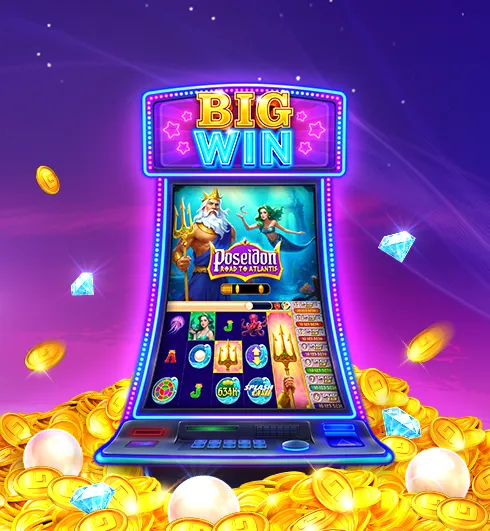
Record Slot Wins in the UK
| Player | Amount | Game | Date |
|---|---|---|---|
| S.K. | AU$450,000 | Dead or Alive 2 | May 2024 |
Understanding fake craps simulator: A Quick Guide
What types of gambling fall under ‘other non-brand gambling’?
This category includes niche activities like raffles, charity lotteries, spread betting, and financial betting, as well as emerging forms such as skill-based gaming and social casino games that do not regard real-money wagering.
Is it sound to participate in non-brand gambling activities online?
Legality depends on your jurisdiction. Many countries regulate these activities under specific gambling laws, so ever look into local legislation and assure the platform holds a valid the local gambling regulator.
How can I identify a trustworthy non-brand gambling situation?
Look for crystallize licensing information, transparent terms and conditions, and independent audit certifications. Avoid platforms that lack a the local gambling regulator or have vague ownership details.
Are there any special risks with non-brand gambling compared to traditional casino games?
Yes, some activities like spread betting can regard unlimited losses, while others may have no standardised paytables. Always understand the rules and risk before participating.
What should I do if I suspect a non-brand gambling site is unfair?
Tangency the licensing authorization listed on the site, and report the issue to consumer tribute agencies. Also, avoid depositing further monetary resource and consider self-exclusion tools if available.
best online casino bestcasinosrank.com au — 2026 guide | best online casino bestcasinosrank.com au
When evaluating fake gambling simulator, e’er check the wagering requirements.
Identifying Problem Gambling Warning Signs
Gambling is strictly for adults aged 18 and over. All online casinos featured on this page are licensed and regulated by the Gambling Commission (UKGC), ensuring they meet rigorous standards for fairness and player protection. If you feel your gambling is becoming a problem, you can use the national self-exclusion scheme GAMSTOP to block access to all UK-licensed sites. For free, confidential advice and support, contact GamCare or BeGambleAware via the National Gambling Helpline on 0808 8020 133. Always set deposit and time limits before you play, and treat gambling as a form of entertainment only – never gamble to chase losses.